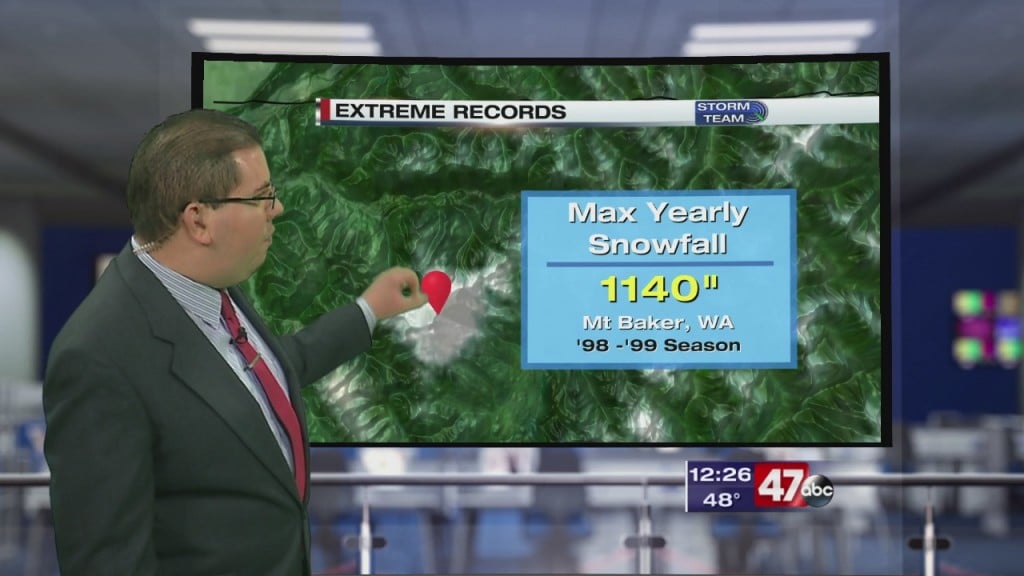
Weather Tidbits: Extreme Records
This Weather Tidbits focuses on extreme weather records across the globe. It ranges from the heaviest rainfall and snowfall in 24 hours to one year, but also the strongest winds within…
This Weather Tidbits focuses on extreme weather records across the globe. It ranges from the heaviest rainfall and snowfall in 24 hours to one year, but also the strongest winds within…
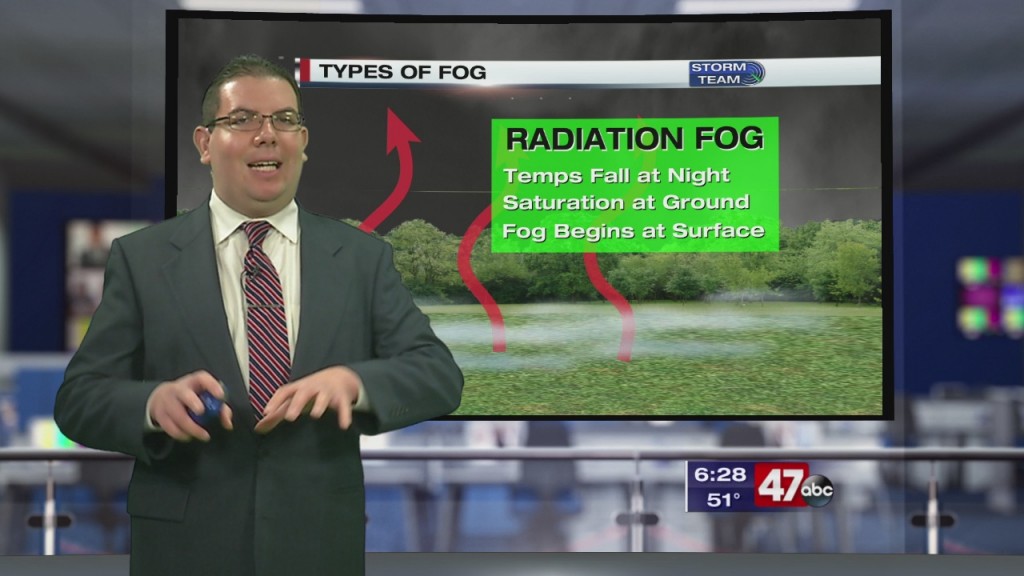
Today's Weather Tidbits focuses on fog. Fog is a low-lying cloud near or at the surface, usually represented as a stratus cloud. They are multiples types of fog, some are caused by…
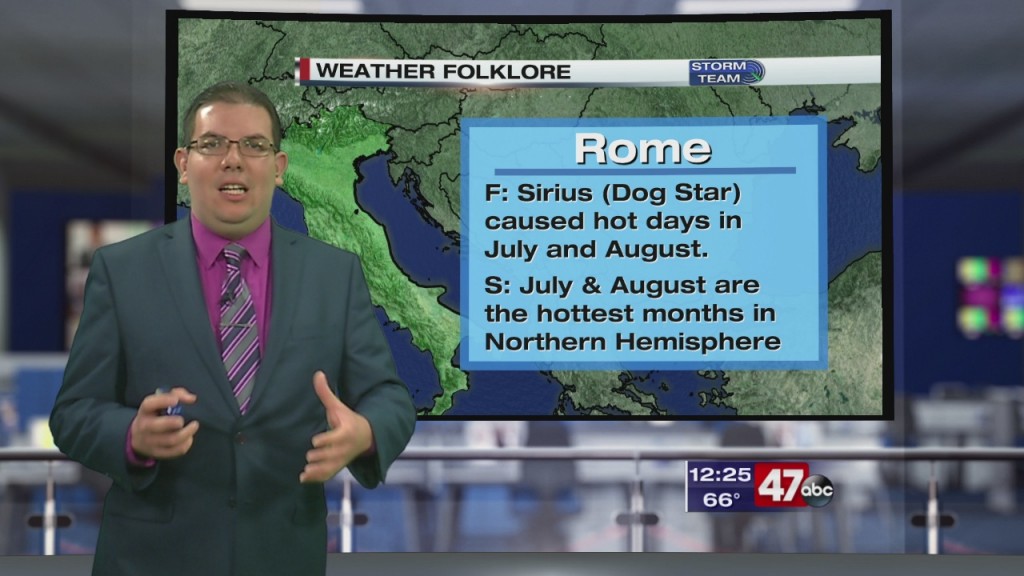
Today's Weather Tidbits focuses on Weather Folklore. The folklore range from snow to how the moon looks while being across the world, and can be easily explained with some simple meteorology.
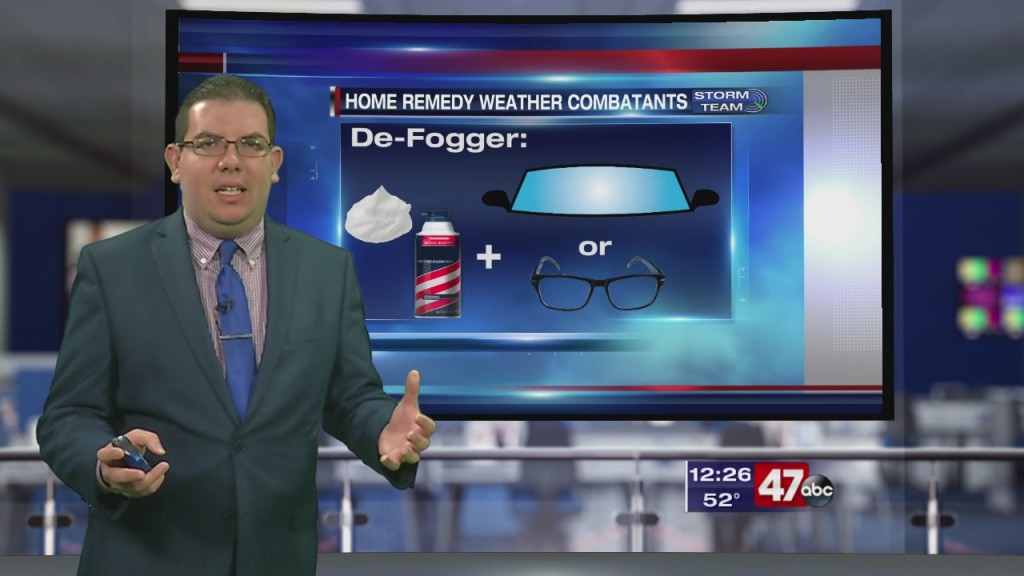
This Weather Tidbits is unique in that it deals with how to deal with certain types of weather using household items. They are 2 ways to deice, the 1st is…
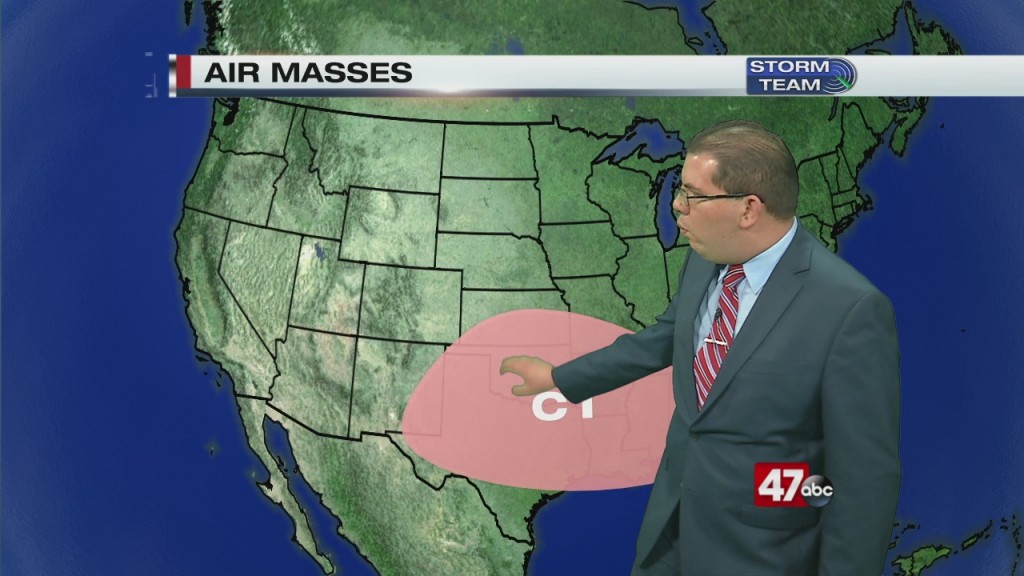
Today's Weather Tidbits focuses on air masses. An air mass is large body of air. They are described by the degree of temperature in uppercase (T,E,A & P) and their source…
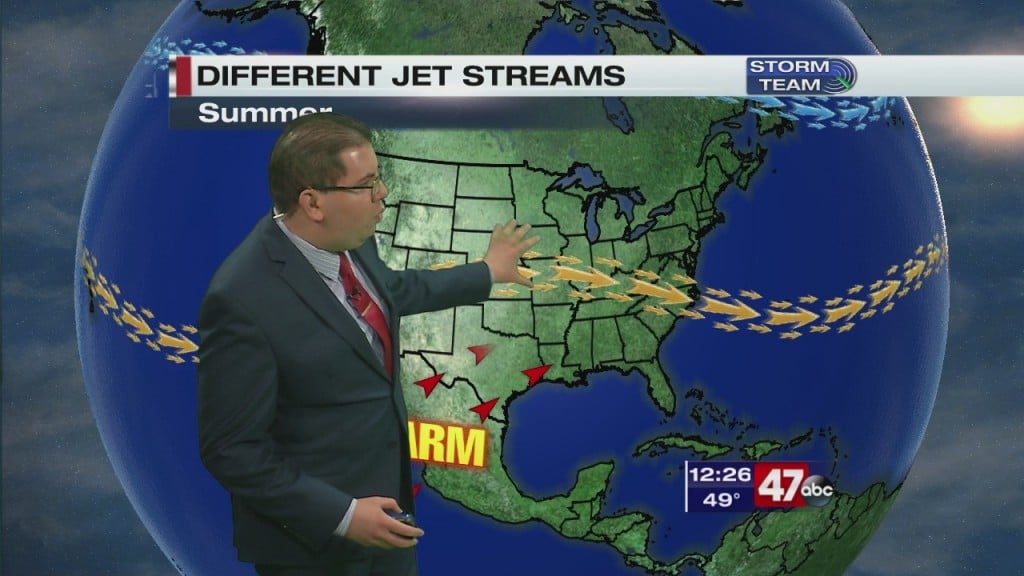
Today's Weather Tidbits focuses on jet streams and their seasonal variations. A jet stream is a narrow band of strong winds in the upper levels of the atmosphere, that are…
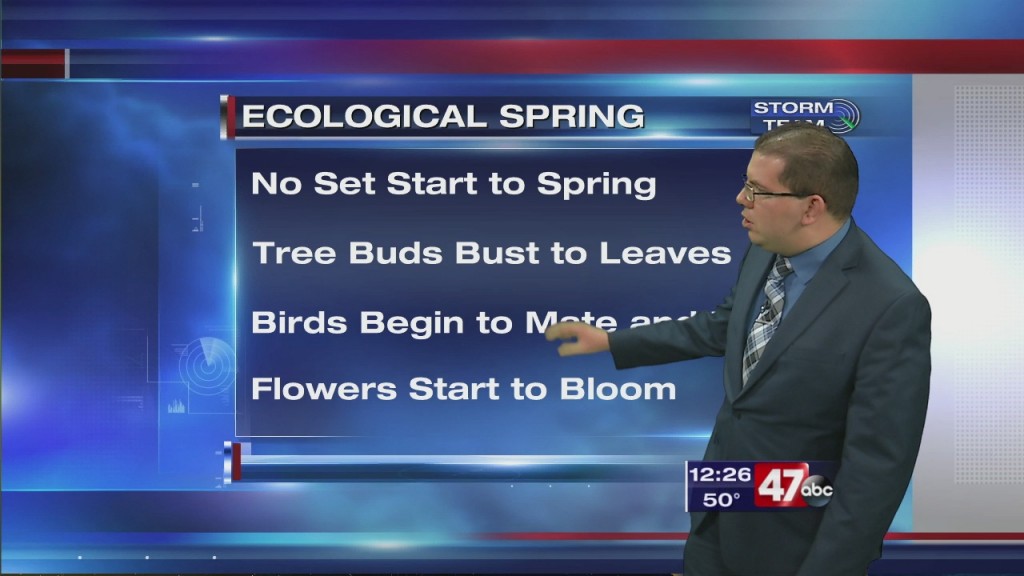
This Weather Tidbits focuses when spring begins depending on which science field. The most common is astronomical which begins around March 21, when the sun touches the equator, meaning equal daylight…
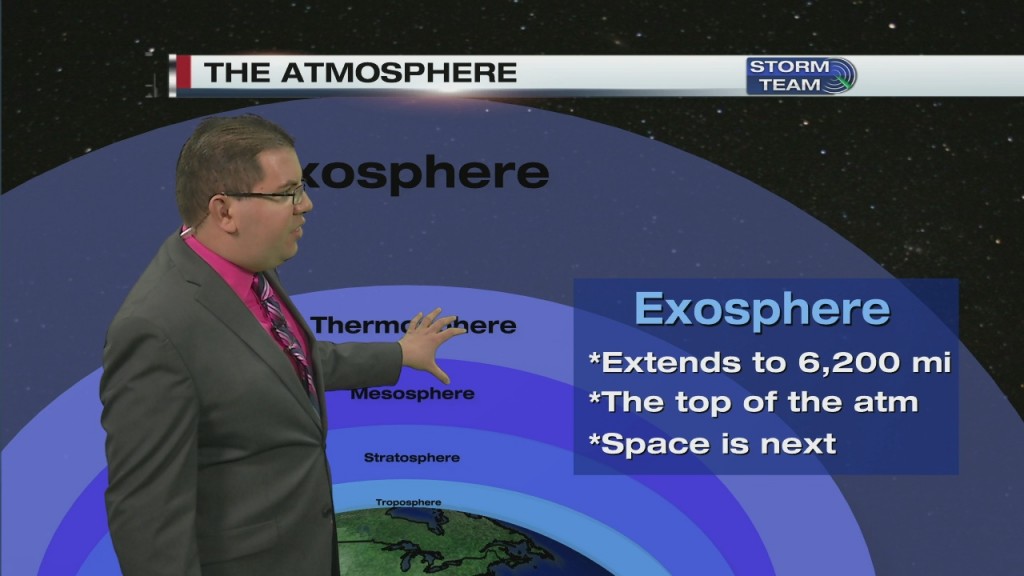
Today's Weather Tidbits concludes the week-long study of the atmosphere, focusing on the exosphere. The exosphere is the earth's outermost layer and at this point, you are also entering outer space. The…
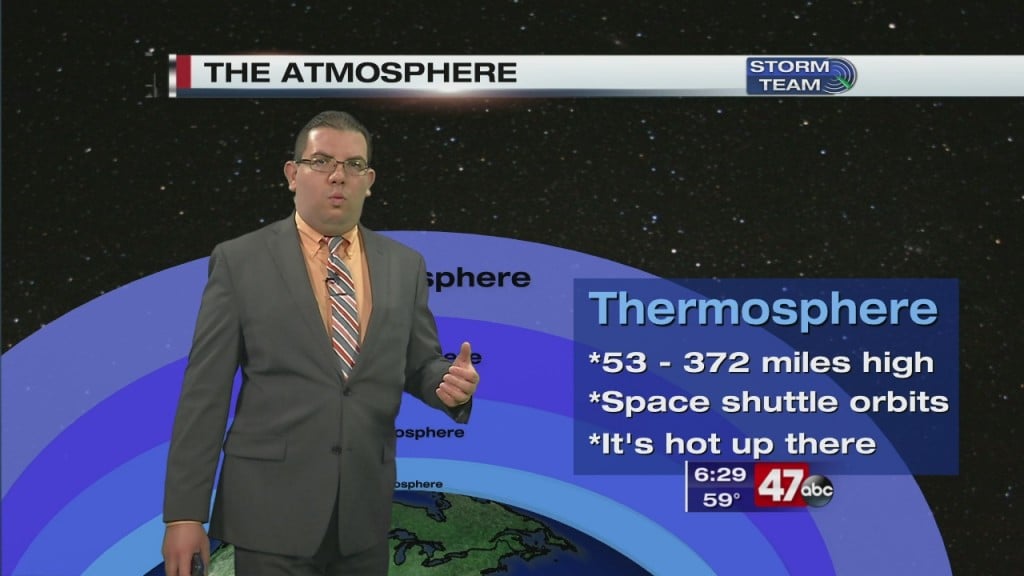
We continue to go up in the atmosphere now in the thermosphere for today's Weather Tidbits. The thermosphere is known to be the hottest layer with temperatures reaching 3,500° F, due to the…
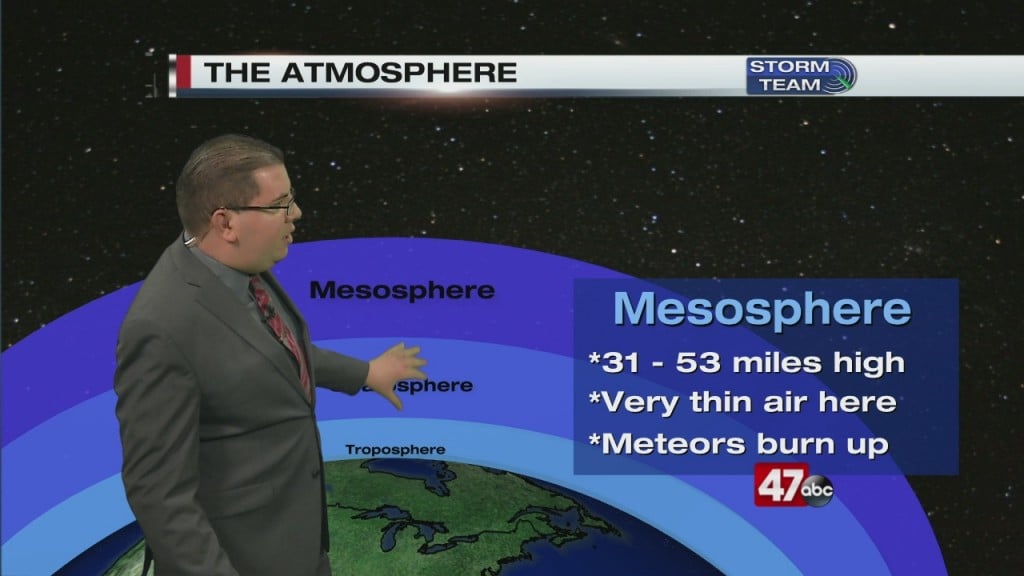
This Weather Tidbits focuses on the 3rd layer of the atmosphere, which is the mesosphere. The mesosphere is known best for where meteors burn up, but also being the coldest with temperatures…
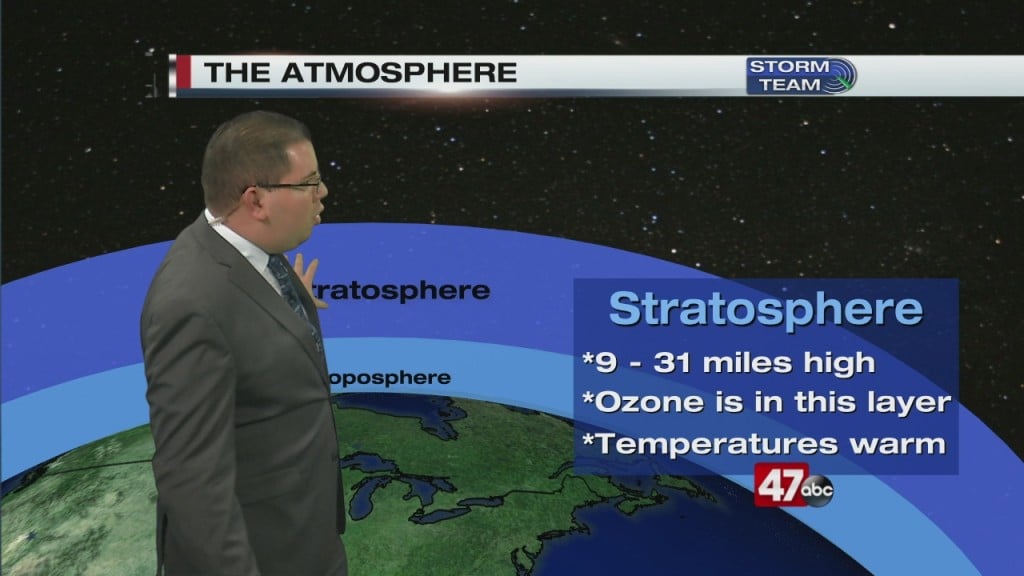
Today's Weather Tidbits discusses the 2nd layer of the earth's atmosphere, which is the stratosphere. In this layer, temperatures begin to climb due to the concentration of ozone, which absorbs the ultraviolet…
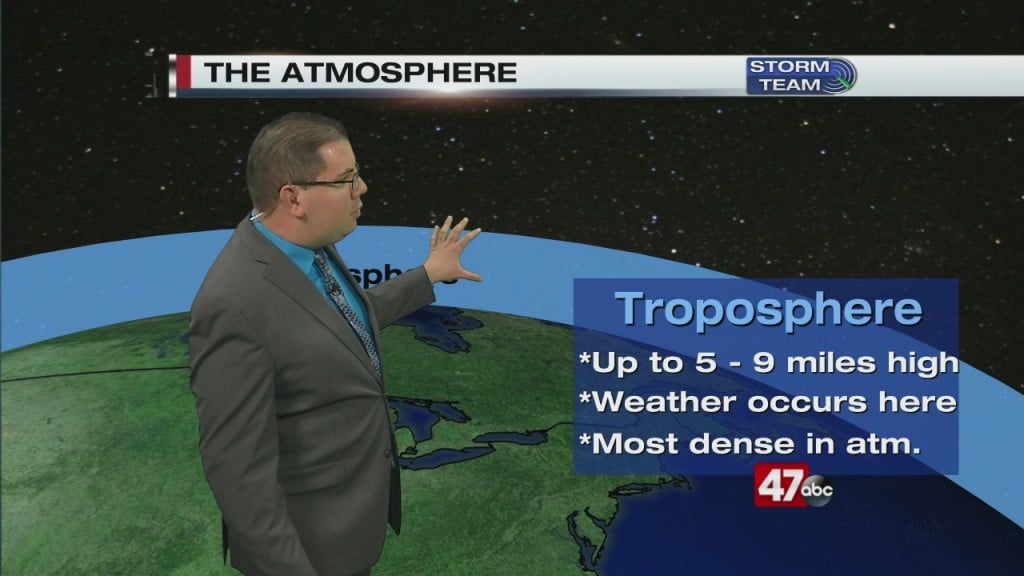
Today's Weather Tidbits discusses the lowest layer of the earth's atmosphere which is called the troposphere. The troposphere is where weather takes place, along with being the most dense layer of the…
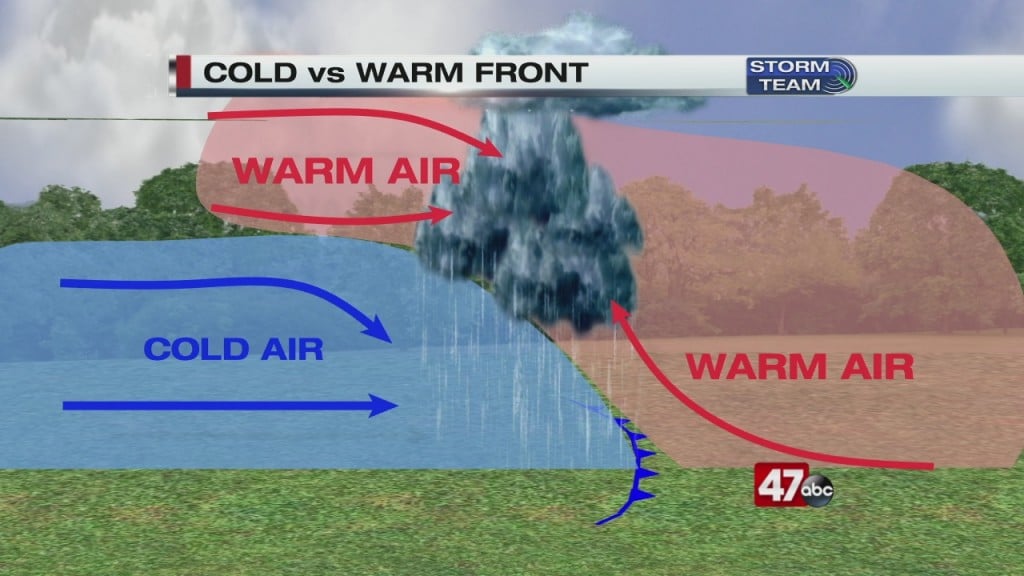
Today's Weather Tidbits focused on fronts. The two most heavily focused were the differences between warm and cold fronts. Cold fronts are faster & steeper moving, bringing heavier precipitaion and storms. Warm…
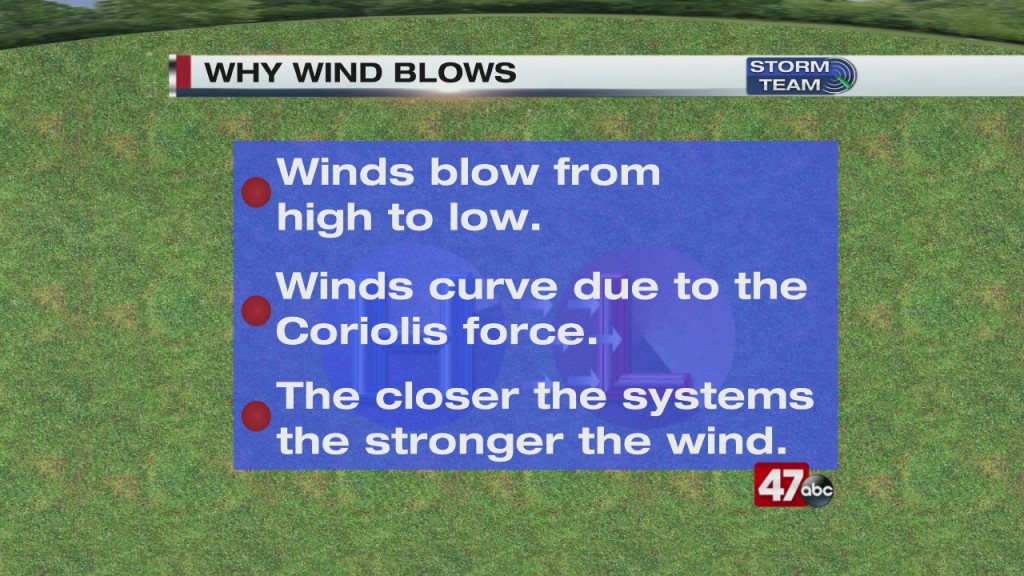
Today's Weather Tidbits focuses on how the wind blows. Wind is moving air caused by differences in air pressure, that typically moves from high to low pressure. The closer the systems…
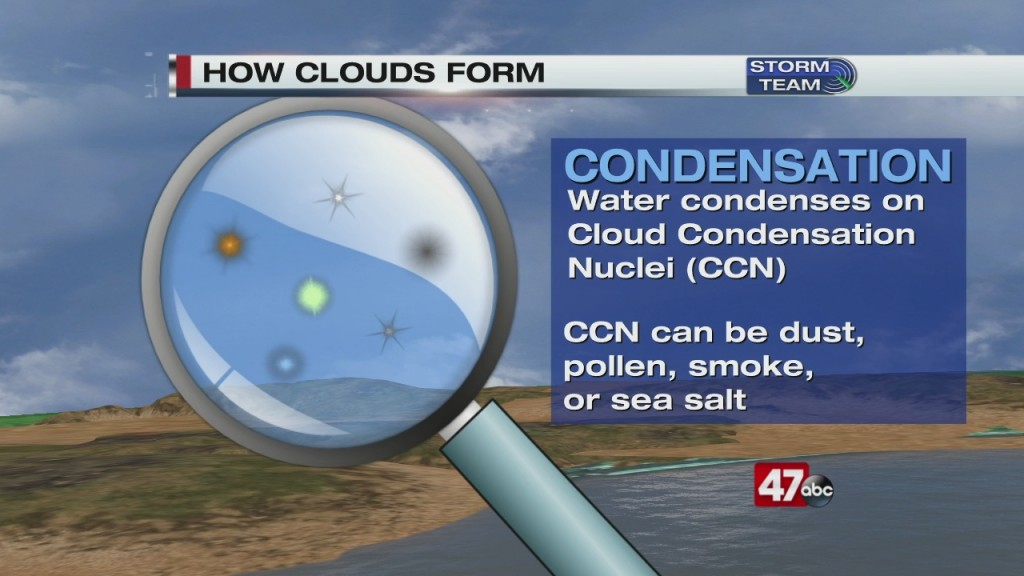
Today's Weather Tidbits discusses how clouds are formed. The process is very similar to the water cycle. It starts with evaporation, in which the liquid from a body of water warms…
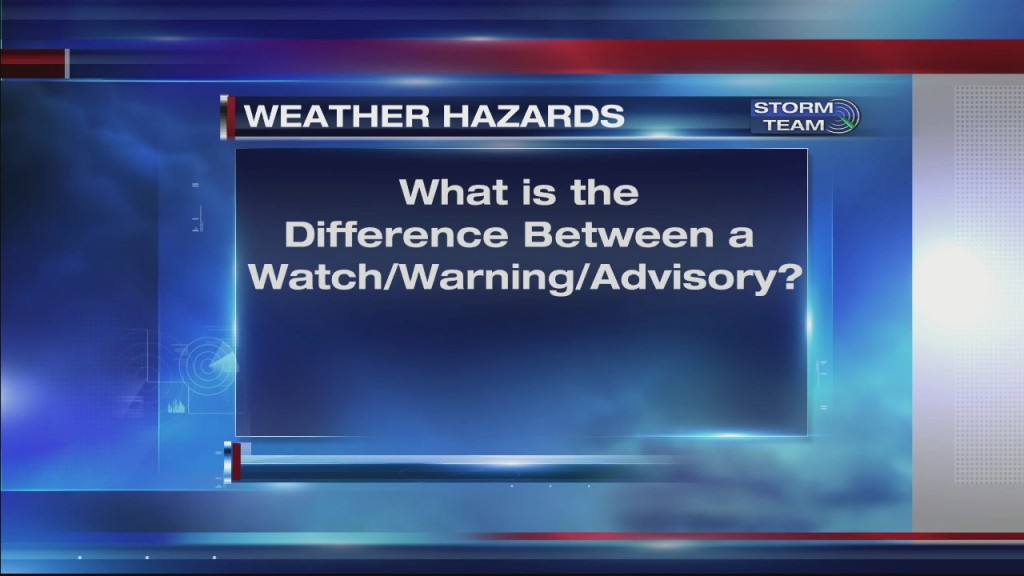
Today's weather tidbits focuses on weather hazards and its differences. A watch means that severe weather is possible within 48 hours, while a warning indicates the severe threat is likely or…
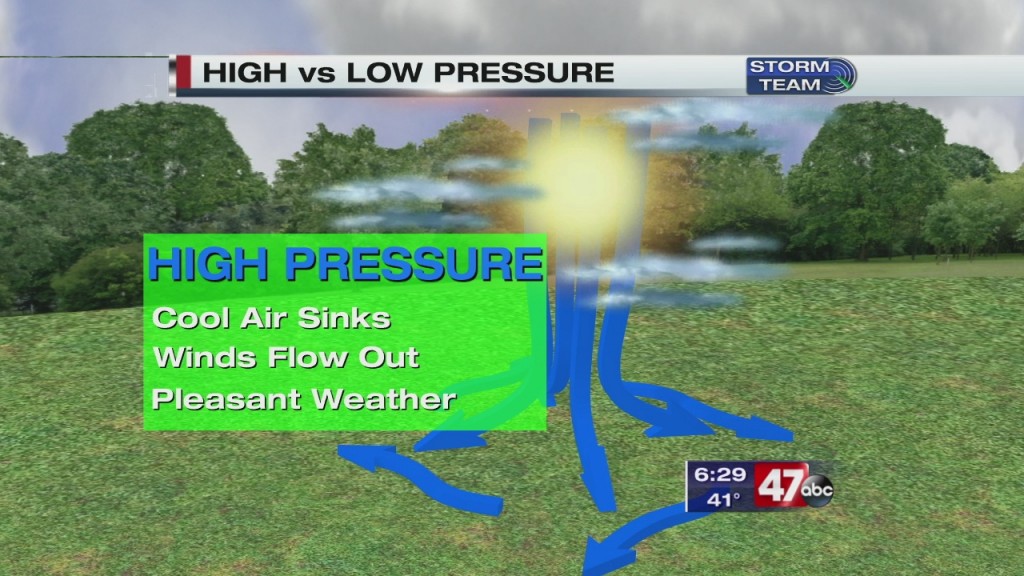
Today's Weather 101 discusses the differences between high and low pressures. High pressure consists of nice weather and rotates clockwise, while low pressure is associated with unsettled weather and rotates counterclockwise.