Local chief reflects on Indigenous Peoples’ Day
Salisbury, Md. – While not an official federal holiday, 17 states and Washington D.C. observe Indigenous Peoples’ Day either in place of or in addition to Columbus Day.
“I’m proud to honor the Indigenous communities who have helped shape Maryland, from Mountain Maryland to the Eastern Shore,” wrote Maryland Governor Wes Moore on a Facebook post on Monday. “Their history, culture, and leadership continue to influence and strengthen our communities every day.”
In Maryland, the fourth Friday of November, marks American Indian Heritage Day. But for many in Native communities, the second Monday in October marks a special milestone and a success for the indigenous community.
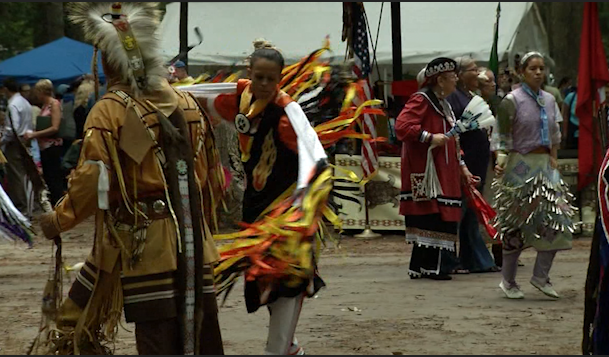
“For me and us … it’s another success in the indigenous communities,” Nause-Waiwash Chief Donna “Wolf Mother” Abbott. “Anytime that the government and other communities acknowledge the existence of indigenous peoples past and present, it’s a huge accomplishment for us. It’s also another chance to tell our story with the most current and accurate information that has come to light, because there’s always new information being discovered.”
Abbott recommends that people use the day to learn about local Indigenous histories wherever they live.
Pat Taylor, the moderator at Pemperton Hall Foundation in Salisbury, said the day marks hope for a more accepting future by learning about the past.
“We learn from the local history and hopefully from history in general,” she said. “We can learn from the past, and hopefully not repeat the mistakes that were made in the past.”
For Abbott, the day brings an awareness that marks a shift in what stories are told and by whom.
“Because they’re more aware, the indigenous communities are being more receptive in telling our own story and people actually listening,” she said.
Abbott said that, in addition to learning from Indigenous peoples about Indigenous culture, she encourages those curious about their own heritage to take the time to learn from it, while being mindful to ensure they are learning from Native peoples.
She said as time goes on, she is excited to see more education reach wider audiences through collaboration with school systems.
“When I was in school, there was, like, two or three paragraphs in the history book on Indigenous communities, and that was the Trail of Tears, and, you know, Indigenous history is so much more than that,” she said. “We get to tell our own story, we get to tell our own truth, and everybody’s truth can be different; that doesn’t mean it’s wrong.”
The Nause-Waiwash Band of Indians will hold an unveiling ceremony at the Dorchester Visitor Center for an updated plaque on the Choptank Indians with more accurate information on Oct. 27.