Discover Delmarva: The Seaford Museum
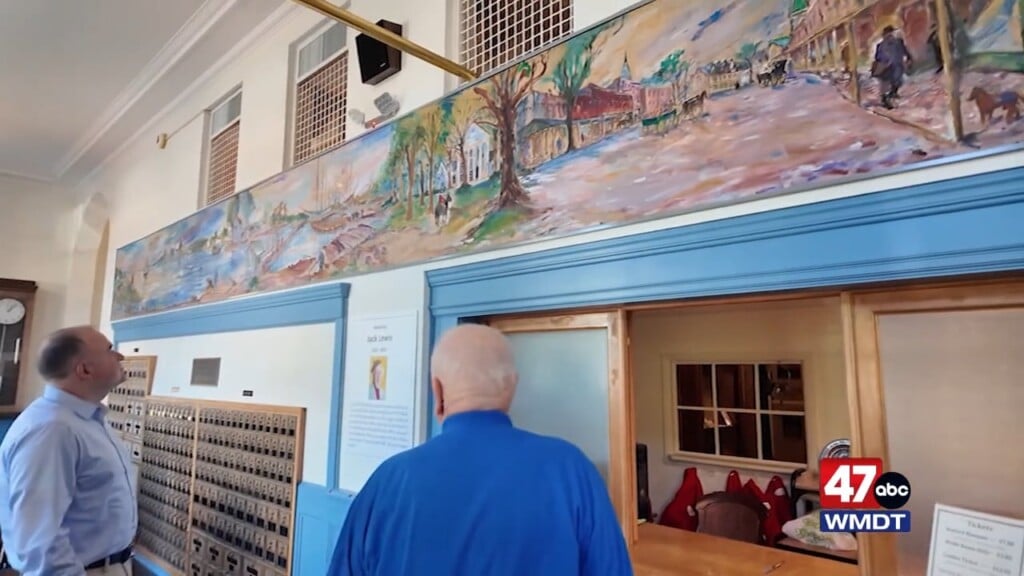
SEAFORD, Del. – The Seaford Museum is a local time capsule built entirely on the generosity of the community and the passion of curator Jim Blackwell. Housed inside the former post office in the heart of downtown Seaford, Delaware, this hidden gem transforms a quick hour of your time into a journey across centuries of local history.
A Journey Through Local Lore and Legends
The tour pulls no punches, starting with the dark history of Patty Cannon. Active in the early 19th century, Cannon is remembered by Blackwell as “the worst woman criminal in American history” for leading a ruthless gang that kidnapped free Black people and sold them into the Southern slave trade.
But the museum also highlights profound bravery. Seaford served as a critical junction on the Underground Railroad, most notably playing host to Harriet Tubman’s best-documented rescue operation: the Tilly Escape.
“So we were the stop that they got to,” Blackwell explains, detailing a tense moment in the journey. “And the next morning, while having breakfast, they were almost captured by a slave catcher.”
History Born from an Accident
One of the museum’s most interesting tales explains how Lower Delaware came to exist in the first place—and it all boils down to a massive administrative blunder by Maryland’s founder.
“Lord Baltimore said all right, start at Lewes,” Blackwell says. “That was where it was supposed to be. And lo and behold, he gave the coordinates of what is now Fenwick Island. He gave the wrong coordinates.” That single map error accidentally carved out the boundaries of Lower Delaware, permanently altering the region’s geography.
A Legacy Preserved by the Community
The museum acts as a complete portrait of the area, featuring deeply respectful exhibits honoring the indigenous Nanticoke people alongside interactive displays that bring the Nanticoke River’s vibrant maritime past to life.
Yet, the most inspiring exhibit might be the building itself.
“We wondered, ‘Can we get this post office?'” Blackwell recalls. “But luckily there were citizens here that had money and contributed. There were so many people that volunteered their time.”
Thanks to that community effort, the museum stands today not just as a monument to Seaford’s past, but as a mirror for small towns everywhere.
“Everybody’s hometown was similar,” Blackwell reflects. “We just tell the story of it right here. So you can find out more about where you live by finding out more about where we live.”
For more information about The Seaford Museum, visit the Seaford Historical Society.