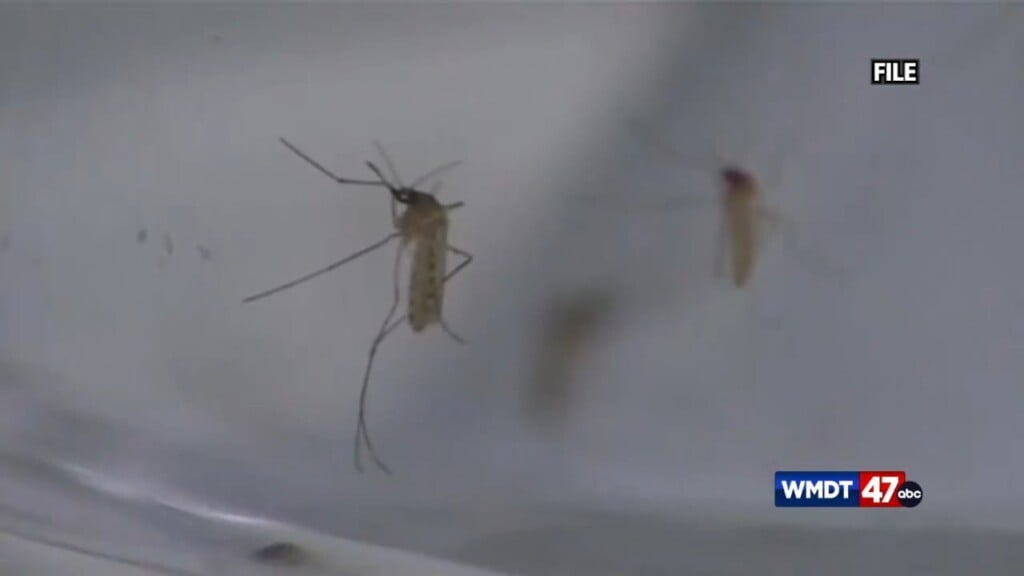
Mosquito and tick season is starting, what you need to know
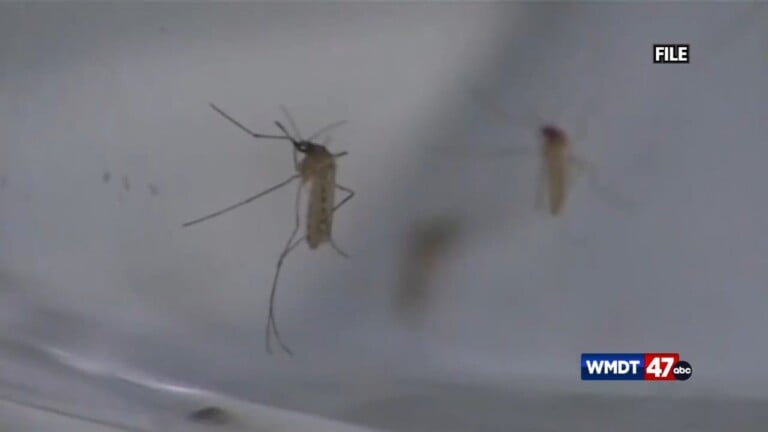
Salisbury, Md. – As temperatures rise, so do mosquito and tick populations. Dr. Dia-Eldin Elnaiem, a biology professor at the University of Maryland Eastern Shore specializing in medical entomology and parasitology, said folks need to know to protect themselves the first step towards protection is awareness.
He said no one should ever assume they’re safe from life-threatening viruses and diseases mosquitoes and ticks can carry.
“The infection rate in the ticks population in the upper, Eastern Shore is one of the highest in the nation, you know, in terms of high infection rate,” he said. “We need to identify the problem so people could be aware of it.”
According to representatives from the Mosquito Control Program out of the Maryland Department of Agriculture, extra water and rain also impact mosquito habitats, increasing their population numbers.
Mosquitoes on the Eastern Shore are also dangerous. The House Mosquito can transmit West Nile Virus, which is already here. However, he says the Asian Tiger mosquito is invasive, extremely aggressive and can carry a host of diseases like Zika and Dengue fevers.
“We are lucky to live in a beautiful area, but this area comes with some cost, which are ticks and mosquitoes,” he said. “And we have to be careful about this. And, first of all, we have to use repellents whenever we are out.”
The Program also says ticks can impact the agricultural industry. The Asian Long-horned Tick is invasive and can spread disease to livestock. Dr. Elnaiem said Black-Tailed mosquitoes spread Eastern Equine Encephalitis (EEE). However, both MCP and Dr. Elaniem say there are vaccines for livestock and horses, respectively, that prevent tick and mosquito bites and infections.
MCP says wearing light colored clothing and spending less time outside during dusk and dawn when mosquitoes are most active help, along with wearing suitable repellent. Dr. Elnaiem says the best form of protection against mosquitoes and tics is repellant that has 30 to 40 percent deet.
He said those who have been in an area known to have tics or mosquitoes, should tell their doctor immediately if they develop a fever or other noticeable symptoms.