$6.9 Million to help conserve Chesapeake Watershed
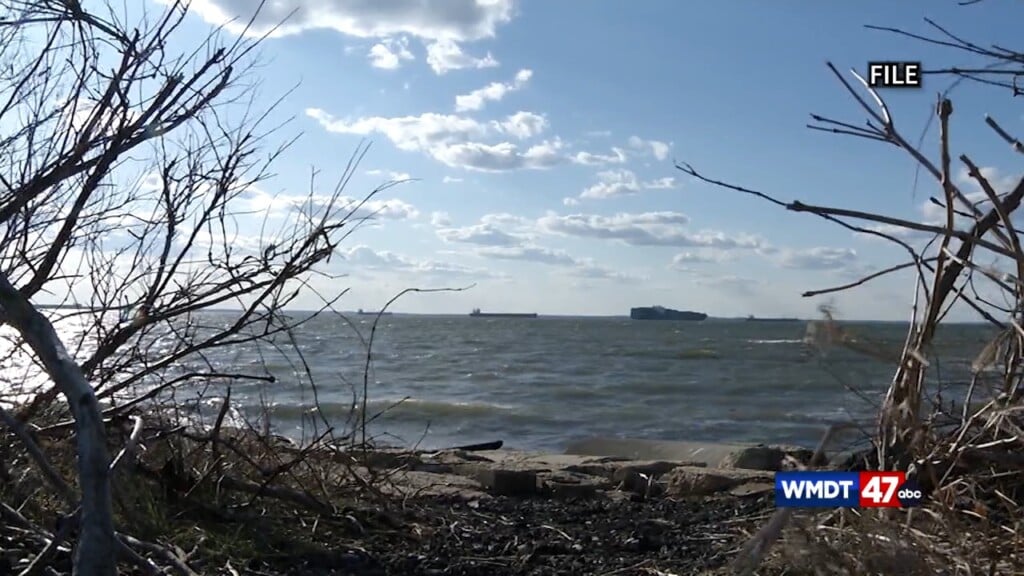
Salisbury, Md. – Nearly $7 million has been earmarked for conservation of the Chesapeake Bay watershed. The U.S. Fish and Wildlife Service, in partnership with the National Fish and Wildlife Foundation, announced on Wednesday the funds from the Chesapeake Watershed Investments in Landscape Defense (WILD) program will go towards projects meant to help protect the watershed and surrounding land.
“The purpose of Chesapeake WILD and the kind of the grand vision for the wild program is we’re really thinking about how do we protect and restore and reconnect enough healthy lands and waters for fish and wildlife and for people in communities,” Chesapeake WILD Program Coordinator Dr. Faren Wolter said Chesapeake WILD said. “So like that’s a big it’s not an easy lift. That’s a big lift.”
Officials said the grants will also generate $6 million in matching contributions, resulting in a total investment of nearly $13 million, which would go towards protecting habitats and wildlife and bolstering public access to parks.
Wolter said Chesapeake WILD received 77 this year and the program was able to fund 33 of them. She said demands exceeding the amount of funding available has been consistent for the last four years but that the grant program still enables conservation projects to do “some amazing work.”
“Everybody where they live, protects what they care about,” Wolter said. “But that work over time can connect together and amplify each other’s work and have bigger conservation outcomes.”
Wolter said conservation efforts can have lasting impacts on people, not just wildlife.
Currently, there are seven projects in Maryland, including a project awarded $75,000 to Upstream Alliance that coordinates with the Accohannock Tribe of Maryland to protect wildlife and design a community center preserving Accohannock heritage.
“They have been working with them for a few years, exploring, the history of their tribe in the area and trying to build cultural reconnections and connect people with wildlife, in that space and trying to connect people with their regional heritage and their history,” Wolter said about the Upstream Alliance and Accohannock tribe project.
Other projects specifically on Delmarva include one to help protect certain marsh birds, specifically American sparrows currently declining in numbers, Wolter said. Marshes for Tomorrow is another project, according to Wolter, researching how to restore marshes in the face of erosion and changing climates in Delaware and Maryland. Wolter said Marshes for Tomorrow involves the Maryland Department of Natural Resources and Fish and Wildlife, land trusts and universities.
Chesapeake WILD is now accepting applications for its 2026 grant program.