Bill introduced to alter Coastal Zone Act
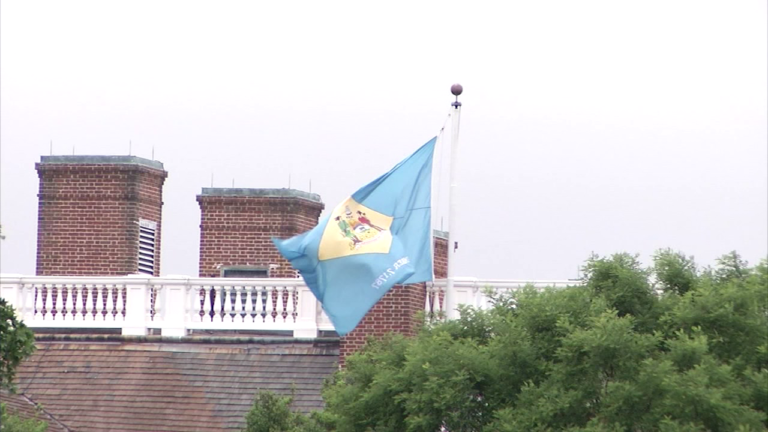
The Coastal Zone Conversion Permit Act was introduced in the Delaware house Thursday with hopes to make alterations to the act originally enacted in 1971.
Representative Ed Osienski, the primary sponsor for the bill, says he has received a lot of support from Republicans in the House with a prime sponsor in the Senate through Bryan Townsend.
Osienski says despite criticism from environmentalists, this law will aid Delaware's economy without causing much disruption to the environment.
"We are looking for industry that are willing to make that investment and be good partners with Delaware along the coast. But, industry has come a long way since 1971. When the bill was originally passed DNREC was just beginning, there was no Clean Air Act, or Clean Water Act back in '71. So those regulations have increased and gotten stronger."
The act has not been significantly altered since it was enacted, with the primary goal of the act being control of the location extent and type of industrial development in Delaware's coastal regions.
Manufacturing is allowed in these areas, but only with a permit.
According to the bill, sponsored by Representative Osienski, the CZA has allowed property that has been in use by heavy industry for nearly 50 years go unused unless the owner were willing to engage in the same heavy industry or use the property for manufacturing.
The alterations include a 'conversion permit' for the productive reuse of 14 existing sites of heavy industry within the coastal zone.
The Secretary of the Department of Natural Resources and Environmental Control may issue a conversion permit entitling the owner, operator, or prospective purchaser of an existing heavy industry use site operate an alternative or additional heavy industry use at a heavy industry use site. The permit can also be used for a heavy industry use site that had a dock facility at the time the original act was passed to engage in the bulk transfer of products produced in or used by a facility in the coastal zone.
A person looking to apply for a conversion permit must submit a written application with the following eight requirements.
- The environmental impact and economic effect of the existing or previous heavy industry use or uses.
- The environmental impact and economic effect of the alternative or additional heavy industry use or bulk product transfer activity.
- The net environmental improvement, economic improvement, or both, inherent in the additional or alternative heavy industry use or bulk product transfer activity as compared to the most recent heavy industry use.
- Evidence of compliance with the Delaware Hazardous Substance Cleanup Act ("HSCA") and other environmental laws.
- A sea-level rise plan.
- An offset proposal required to more than offset the negative environmental impacts of an activity, consistent with regulations.
- A timetable for the conversion from the existing heavy industry use to the alternative or additional heavy industry use or bulk product transfer activity.
- Evidence of financial assurances.
The objective of the changes are to "ensure the coastal zone is protected while providing more flexibility for viable economic use to these 14 existing sites of heavy industry use."
All conversion permit applications under the new act are subject to a public hearing. Applications must be responded to by the Secretary within 90 days.