WEATHER AWARENESS: SEVERE THUNDERSTORMS
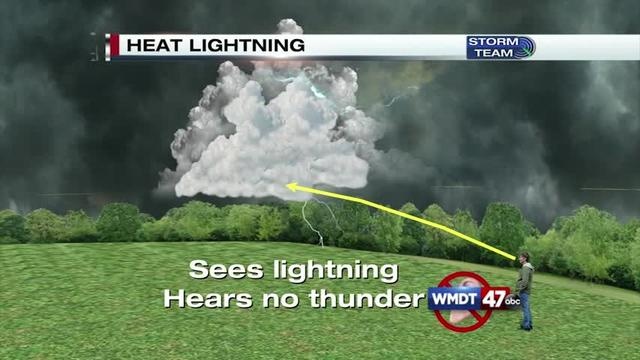
hopes of making everyone more weather aware today’s topic is severe thunderstorms… track 1 severe thunderstorms come in all shapes and sizes and usually produce strong winds of 58 mph or higher and or large hail–one inch in diameter or larger. track 2 similar to tornadoes, severe storms form as warmer moist air from the south clashes with cooler drier air from the north. when these conditions occur and the severe criteria is met, a severe t-storm watch or warning may be issued. track 3 a watch is issued when conditions are favorable for widespread severe thunderstorms. citizens should monitor their local weather for changes and possible developing storms. a severe t-storm warning is issued when a severe storm has been spotted on radar or observed by a storm spotter. track 4, green screen the first criteria for severe weather is hail. hail forms when supercooled water droplets freeze inside extremely cold clouds. we can zoom in and see what’s happening inside the cloud. ice pellets begin to fall, but an updraft then pushes these frozen ice pellets back into the cloud where it continues to grow. the stronger the updraft, the larger the hail. then they fall to the ground. here are a few examples…. track 5, video and gfx sometimes the hail can get out of control and cause major damage to property including cars and even your house. it can also be deadly to livestock and people. if caught outside during a hailstorm, try and seek shelter inside or underneath something to protect your head. track 6, green screen and gfx wind speed is the other criteria for severe weather. winds in excess of 58 mph are considered dangerous and damaging. straight-line winds are common within severe thunderstorms. the winds can be so intense that some might mistake straight-line winds for a tornado. the simple way to determine the difference is to look at the damage caused. for example, if trees are all blown over in the same direction then it was likely straight-line winds. if it looks like a tree was twisted or they are blown in all directions it was a tornado. track 7 while lightning isn’t a criteria for a severe thunderstorm, it poses a great threat as well, but all lightning is considered dangerous so it doesn’t uniquely qualify as its own criteria. track 8 here are a couple myths involving lightning. myth 1: heat lightning is only lightning in the clouds and it doesn’t reach the ground…that’s false. technically there is no such thing as heat lightning. what people call “heat lightning” is simply lightning from a distant thunderstorm, and it often contains lightning that hits the ground. but light travels farther than sound, so our ears can’t pick up on the thunder occurring in the distance. track 9 here’s myth number 2, do you think you know the answer?…. daniel: “this is true or false.if you hear thunder but don’t see lightning you’re still safe to stay outside? isaac: “false” kriger: i’ll say false too.” daniel: “could you be struck by lightning if you hear thunder but you don’t see lightning?. amanda: “yes.” track 10 lightning creates the thunder sound we hear, so if there is thunder then there is lightning. the simple solution is.”when thunder roars, head indoors.” track 11 also, never seek shelter under a tree during a thunderstorm. cars are relatively safe from lightning but it shouldn’t be your first choice for safety. going inside is always the best option. but if you are stuck in your car, be sure to keep your hands away from the outer edge of the vehicle. track 12 meteorologists often use satellite and radar as a highly reliable tool to track severe thunderstorms. here are the two basic ways severe thunderstorms form. track 13 a squall line is a group of storms that form in a line. they contain high winds and heavy rain and are usually quick movers. sometimes a squall line can bow out into a backwards “c” shape like this. when you see that on radar it indicates damaging winds. track 14 super cells are individual storms that can develop and blossom into extremely dangerous storms containing high winds. these storms are very capable of dropping a tornado. and of course we covered tornadoes already, they evolve from severe storms spring and summer is severe storm season, so we’re in the midst of it now you can always check our website 47abc.com and follow the 47abc weather team for the latest watches and warnings tune in next week as we wrap up our weather awareness segment with hurricanes… coming up – daniel will be back with this morning’s forecast. and — it’s time for college corner….with salisbury university we meet an area business owner who’s being